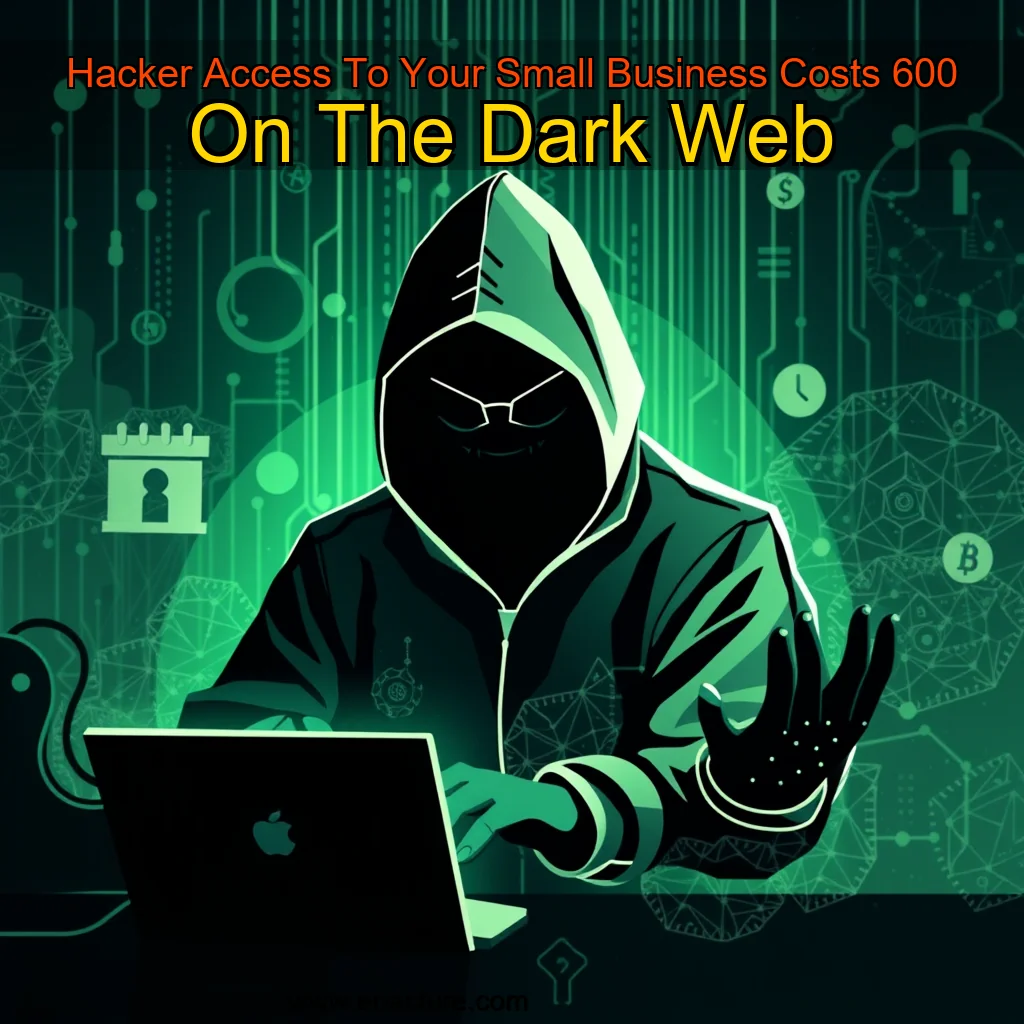
Hackers-for-Hire on the Dark Web: A Growing Threat to Small Businesses and Organizations.
The Rise of Hackers-for-Hire on the Dark Web
The dark web, a hidden corner of the internet, has become a hub for illicit activities, including the sale of stolen data and compromised systems. One of the most concerning trends is the emergence of hackers-for-hire, who offer their services to small businesses and organizations for a price.
The Business Model
Hackers-for-hire operate on a pay-per-exploit model, where they sell access to compromised systems or stolen data to the highest bidder. This can include:
These services are often advertised on the dark web, where buyers can browse through listings and purchase access to compromised systems for a fee. The prices vary depending on the type of access and the level of compromise, but $600 is a common price point for a single exploit.
The Risks
Small businesses and organizations are at risk of being targeted by hackers-for-hire due to their perceived value in the supply chain.
The Rise of Cybercrime-as-a-Service
The dark web has long been a breeding ground for illicit activities, and one of the most insidious forms of cybercrime is the rise of “cybercrime-as-a-service” (CaaS). This model has made it easier for hackers-for-hire to target small businesses, exploiting vulnerabilities in their systems and networks.
The Business Model
CaaS operates on a subscription-based model, where hackers-for-hire offer their services to clients on the dark web. These services can range from basic network scanning to sophisticated attacks, such as ransomware and DDoS (Distributed Denial of Service) attacks. The hackers-for-hire use various tools and techniques to gain access to the target’s network, often using stolen login credentials or exploiting vulnerabilities in outdated software. Key features of CaaS include: + Admin-level access to networks and systems + Customizable attacks tailored to the client’s needs + Regular updates and patches to ensure maximum effectiveness + A wide range of services, including malware development and social engineering
The Targeting of Small Businesses
Small businesses are often the most vulnerable to CaaS attacks. This is due to several factors, including:
Cyberattacks on small businesses can have devastating consequences, including financial loss and reputation damage.
Small businesses are often unable to afford the cost of implementing robust cybersecurity measures, making them an attractive target for hackers.
The Threat of Cyberattacks on Small Businesses
Cyberattacks on small businesses can have devastating consequences. The financial loss can be crippling, and the damage to a company’s reputation can be irreparable.
The Types of Cyberattacks Targeting Small Businesses
Cybercrime thrives in the dark web, fueled by vulnerabilities and exploits.
The Dark Web: A Haven for Cybercrime
The dark web is a part of the internet that is intentionally hidden from search engines and requires special software to access. It is often associated with illicit activities, but it also hosts legitimate services and communities. However, the dark web is also a hub for cybercrime, with many malicious actors using it to sell stolen data, malware, and other illicit goods.
Vulnerabilities and Exploits
Many dark web listings offer access to organizations through vulnerabilities that were disclosed years ago. This is a concerning trend, as it highlights the lack of attention and investment in cybersecurity. *Some of the most common vulnerabilities exploited include:**
These vulnerabilities can be easily exploited by attackers, allowing them to gain unauthorized access to sensitive data and systems.
The Dark Web as a Market for Exploits
The dark web is often referred to as a “marketplace” for exploits, where malicious actors can buy and sell access to vulnerabilities and exploits.
Cybercrime is a Lucrative and Widespread Industry that Requires Immediate Attention.
The Rise of Cybercrime as a Global Industry
Cybercrime has evolved into a lucrative and widespread industry, with hackers targeting individuals, businesses, and governments worldwide. The rise of the dark web has enabled cybercriminals to anonymously sell stolen data, malware, and other illicit goods, making it a hub for illicit activities.
The Dark Web: A Haven for Cybercrime
The dark web is a part of the internet that is not indexed by search engines and requires specialized software to access. It is a platform where cybercriminals can buy and sell stolen data, malware, and other illicit goods without being detected. The dark web is often associated with illegal activities such as:
The Cost of Cybercrime
Cybercrime can be devastating for individuals and businesses. A single data breach can result in significant financial losses, damage to reputation, and compromised sensitive information.