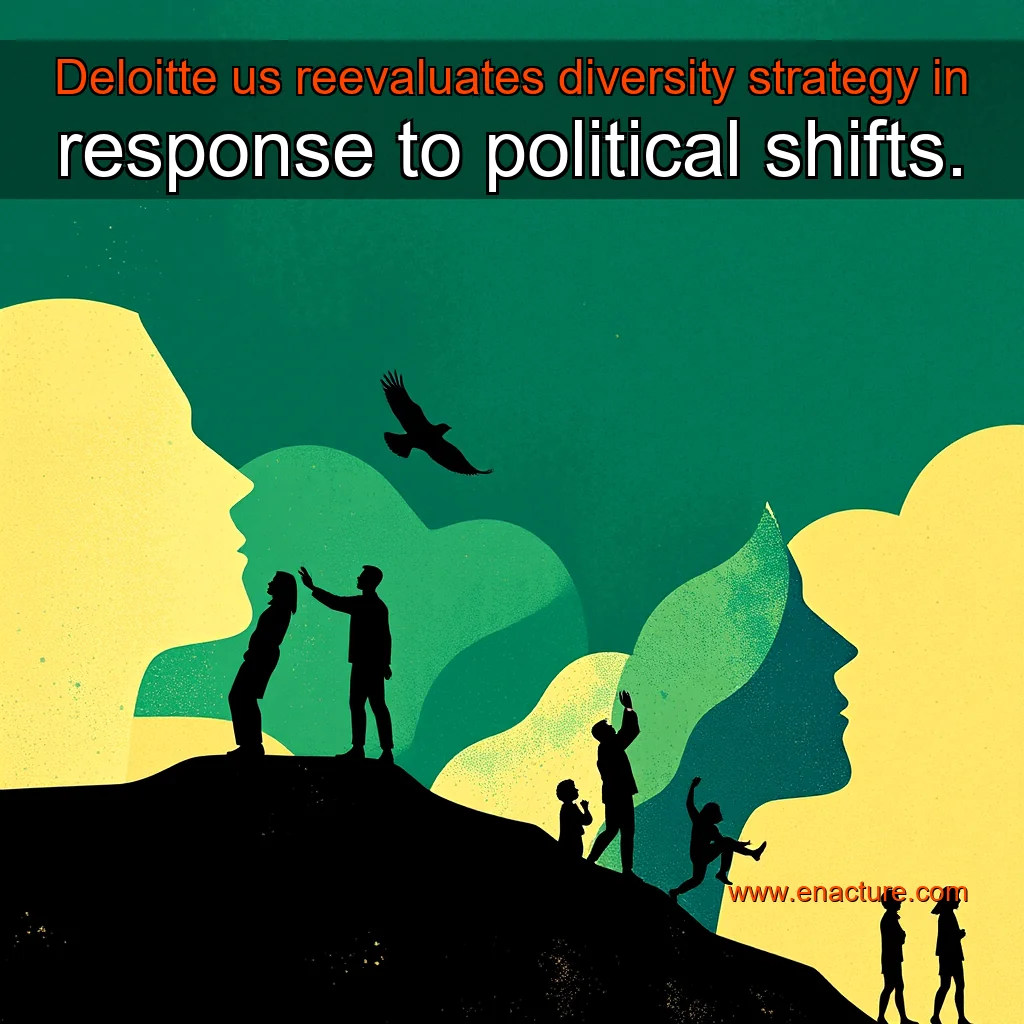
The Context of the Rollback
The US is experiencing a period of significant change, with the country’s politics and regulations undergoing a transformation. The COVID-19 pandemic has accelerated these changes, leading to increased scrutiny of businesses and their practices. As a result, companies are facing growing pressure to demonstrate their commitment to diversity, equity, and inclusion (DEI).
The Impact of the Rollback
Deloitte’s decision to roll back some of its DEI programs may have significant implications for the company and its clients. Some of the potential consequences include:
Embracing diversity through different approaches to achieve a more inclusive workplace.
Diversity and Inclusion: A Tale of Two Countries
The world of business is no stranger to the importance of diversity and inclusion. Companies like Deloitte, a global consulting firm, recognize the value that diverse teams bring to the table. However, the approach to achieving this goal varies significantly between the US and UK branches of the company.
A Tale of Two Countries: Deloitte US and Deloitte UK
Deloitte US has made diversity a top priority, with a strong focus on internal initiatives. The company has implemented various programs aimed at increasing diversity among its employees, including mentorship programs, training sessions, and diversity and inclusion committees. These efforts have led to a significant increase in diversity among Deloitte US employees, with the company reporting a 25% increase in underrepresented groups in the past year. Key initiatives: + Mentorship programs for underrepresented groups + Training sessions on unconscious bias and cultural competence + Diversity and inclusion committees to promote diversity and inclusion In contrast, Deloitte UK has taken a more external approach to diversity and inclusion.
The Growing Importance of Diversity, Equity, and Inclusion (DEI) in the Workplace
In recent years, the importance of Diversity, Equity, and Inclusion (DEI) in the workplace has become increasingly evident. As companies strive to create a more inclusive and equitable work environment, they are reassessing their DEI programs to ensure they are meeting the evolving needs of their employees and the broader community.
The Business Case for DEI
There are numerous benefits to investing in DEI initiatives.
The Regulatory Landscape
The regulatory landscape for corporate diversity, equity, and inclusion (DEI) initiatives is complex and multifaceted. In the US, companies are subject to various federal and state laws that govern their DEI practices. The Equal Employment Opportunity Commission (EEOC) enforces Title VII of the Civil Rights Act of 1964, which prohibits employment discrimination based on race, color, religion, sex, and national origin. Key federal laws governing DEI: + Title VII of the Civil Rights Act of 1964 + Title IX of the Education Amendments of 1972 (prohibiting sex-based discrimination in education) + The Americans with Disabilities Act (ADA) + The Age Discrimination in Employment Act (ADEA)
The Impact of Globalization
Companies operating in multiple regions face a unique challenge in navigating the diverse regulatory expectations. This can lead to a divide in DEI initiatives, with some companies prioritizing compliance in certain regions over others. The impact of globalization on corporate DEI efforts is multifaceted:
The Role of Politics in Corporate DEI Efforts
The future of corporate DEI initiatives in the US is uncertain, and the impact of politics on these efforts cannot be overstated.