The Blurred Lines of Social Media Responsibility
Social media platforms have become an integral part of our daily lives, with billions of users worldwide.
The Rise of Digital Platform Governance
The digital landscape is rapidly evolving, and with it, the need for effective governance of digital platforms has become more pressing than ever.
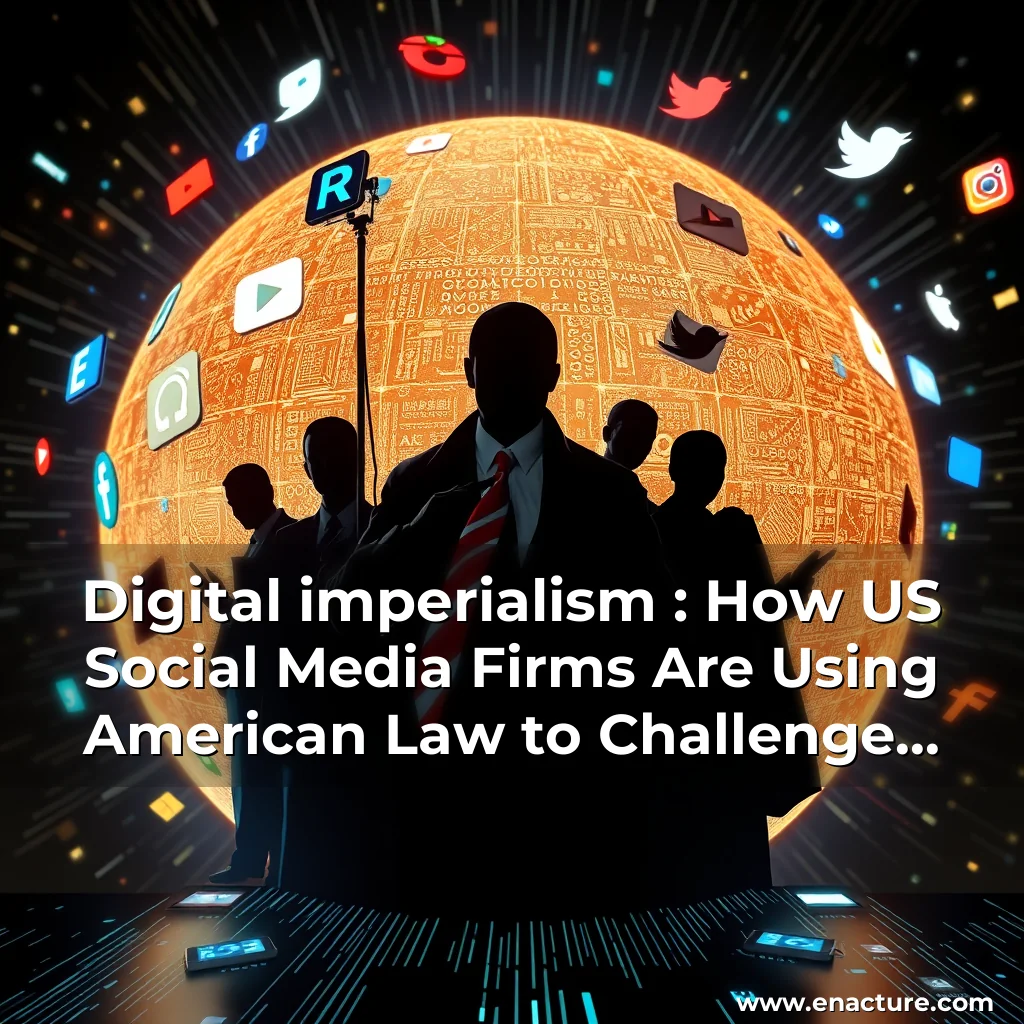
The Brazilian judiciary has long been a thorn in the side of social media giants, particularly when it comes to issues of free speech and censorship. The country’s constitution guarantees freedom of expression, but the judiciary has been increasingly vocal in its criticism of social media platforms for their handling of sensitive topics. The lawsuit filed by Trump Media & Technology Group and Rumble against Justice de Moraes is the latest example of this tension. The two companies claim that the justice’s actions are an attempt to silence them and stifle free speech. But the Brazilian judiciary’s stance on social media is not without controversy. Some argue that the judiciary’s efforts to regulate social media are necessary to protect the country’s citizens from online harassment and hate speech. Others argue that the judiciary’s actions are an overreach of its authority and an attempt to impose its own values on the public. The Brazilian Supreme Court has been at the forefront of this debate, with Justice de Moraes playing a key role in shaping the country’s approach to social media regulation. His actions have been widely criticized by some, who see them as an attempt to impose a narrow and restrictive definition of free speech. The U.S.-based social media platforms, on the other hand, have been accused of being too lenient in their approach to regulating hate speech and online harassment. Critics argue that the platforms have failed to take adequate action to address these issues, and that their inaction has contributed to the spread of hate speech and online harassment. The lawsuit filed by Trump Media & Technology Group and Rumble against Justice de Moraes is a symptom of this broader tension between the Brazilian judiciary and the U.S.-based social media platforms.
Dos Santos has been using his social media presence to evade law enforcement and spread misinformation.
The Role of Social Media in Spreading Extremist Ideologies
Social media platforms have become breeding grounds for extremist ideologies, allowing right-wing influencers to disseminate their views to a vast audience. The algorithms used by these platforms often prioritize sensational and provocative content, creating a feedback loop that amplifies extremist messages.
The Brazilian Court’s Order
The Brazilian court’s order was issued in response to a complaint filed by a Brazilian citizen, alleging that Rumble and Trump Media had failed to remove a video that was deemed to be defamatory.
In Brazil, efforts to regulate social media platforms have long faced substantial opposition. Big Tech companies have used their economic and political influence to lobby against tighter regulation. The resistance against digital regulation predates the Trump administration.
The Rise of Corporate Influence in Politics
The increasing presence of corporate interests in politics has led to a significant shift in the balance of power. This phenomenon is often referred to as the corporate capture of politics. The notion that corporations have more influence over politicians than the general public is a contentious issue. However, the evidence suggests that corporate power has been growing steadily over the past few decades. • The rise of corporate lobbying and campaign contributions has enabled corporations to exert significant influence over policy decisions. • The increasing use of dark money in politics has further muddied the waters, making it difficult to track the true sources of corporate influence.
The Rise of Big Tech’s Influence on Free Speech
The U.S. government has long been a champion of free speech, but in recent years, Big Tech has begun to wield significant influence over the country’s free speech landscape.
This approach focuses on the balance between the right to free speech and the need to protect society from harm.
The Balance Between Freedom and Protection
The proportionality-based approach seeks to strike a balance between the right to free speech and the need to protect society from harm. This balance is delicate and requires careful consideration of the competing interests. • The government must weigh the potential benefits of allowing free speech against the potential risks to society.
The Rise of Free Speech in the Trump Era
The Trump administration has been a catalyst for the resurgence of free speech in the United States. The administration’s stance on free speech has been shaped by its commitment to the First Amendment, which guarantees the right to express one’s opinions without fear of government reprisal. The Trump administration’s approach to free speech has been characterized by a hands-off approach, allowing social media platforms to self-regulate and police their own content. This approach has been met with criticism from some, who argue that it has led to the proliferation of misinformation and hate speech on these platforms.
Further details on this topic will be provided shortly.