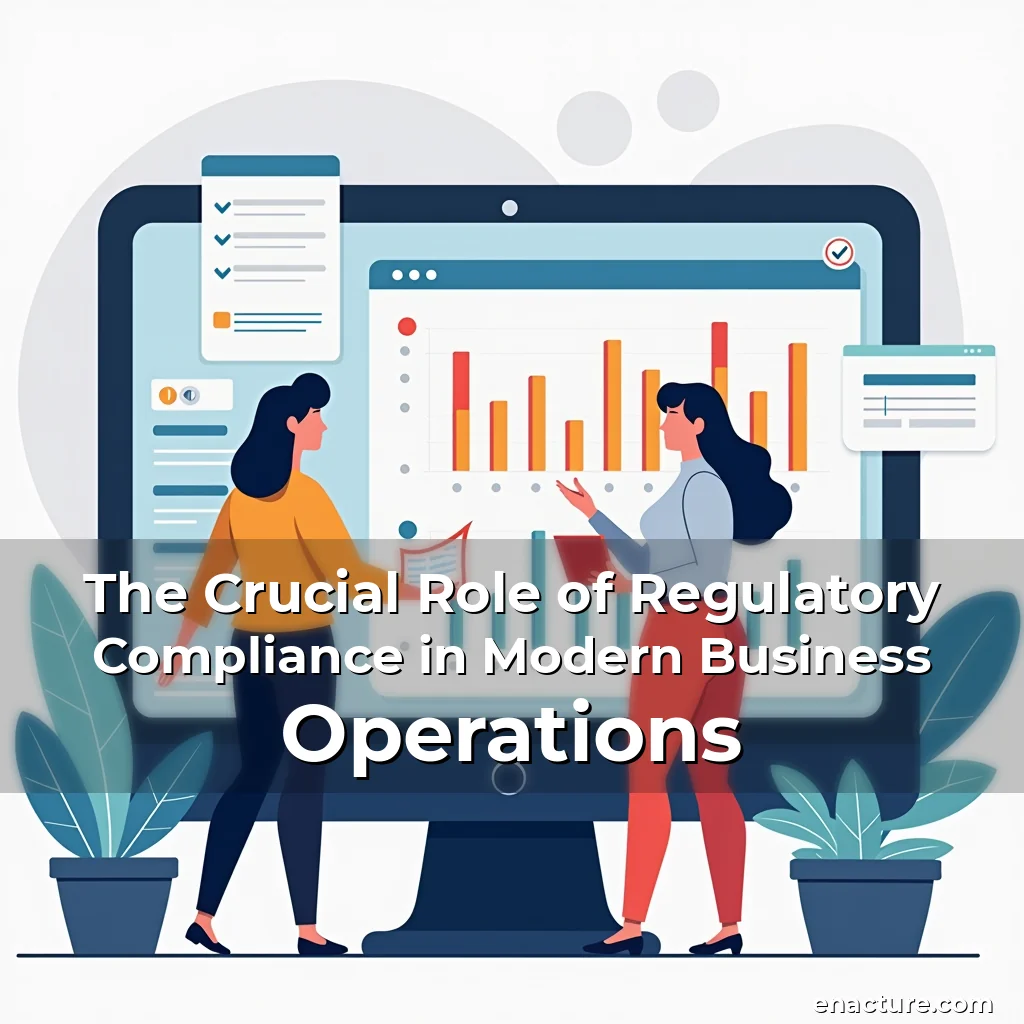
The Crucial Role of Regulatory Compliance in Modern Business Operations
In today’s complex business environment, regulatory compliance is not merely an administrative task—it’s a cornerstone of sustainable corporate success. Organizations across industries must navigate an ever-evolving landscape of laws, regulations, and standards that govern everything from data privacy to environmental impact.
Failure to comply can lead to severe consequences including financial penalties, legal action, reputational damage, and even operational shutdowns. This article explores how businesses can effectively manage regulatory compliance while maintaining competitive advantage.
Understanding the Foundations of Regulatory Compliance
Regulatory compliance refers to adherence to rules set by governmental bodies, industry regulators, and international organizations. These requirements vary significantly depending on the sector, location, and type of operations involved.
For example, healthcare providers must follow HIPAA guidelines in the United States, while financial institutions are subject to stringent Basel III capital adequacy ratios globally. Understanding these nuances is essential before any compliance strategy can be developed.
Compliance frameworks often include both mandatory regulations and voluntary best practices aimed at promoting ethical conduct. The distinction between legal obligations and recommended standards helps shape effective compliance programs.
A key aspect involves understanding jurisdictional boundaries—businesses operating internationally must contend with conflicting or overlapping regulations from different countries.
- Data Protection Laws: Regulations such as GDPR in Europe impose strict requirements on personal information handling, storage, and transfer.
- Environmental Standards: Companies face increasing pressure to meet emissions targets under agreements like the Paris Climate Accord.
- Labor Rights: Fair wage laws, workplace safety mandates, and anti-discrimination policies form crucial elements of labor compliance.
Challenges in Maintaining Effective Compliance Programs
Maintaining robust compliance requires continuous monitoring, documentation, and employee training. However, many organizations struggle with keeping pace with rapidly changing regulations.
Governance structures need to be agile enough to adapt without compromising internal controls. This balance becomes particularly challenging when dealing with cross-border operations where regulations may conflict.
Resource allocation poses another significant challenge. Smaller enterprises often lack dedicated compliance teams, making them vulnerable to unintentional violations.
Cybersecurity threats also complicate compliance efforts. Data breaches can result in non-compliance with digital security regulations regardless of intent or negligence.
To address these challenges, companies must invest in automated systems that track regulatory changes in real-time and flag potential issues before they become problems.
The Impact of Technology on Compliance Management
Digital transformation has revolutionized how businesses approach compliance management. Advanced technologies now enable proactive rather than reactive approaches to regulation adherence.
Artificial intelligence tools can analyze vast amounts of regulatory text to identify relevant provisions applicable to specific organizational activities. Machine learning algorithms help predict upcoming legislative trends based on historical patterns.
Cloud-based solutions facilitate centralized recordkeeping, ensuring easy access to audit trails and reducing the risk of document misplacement or loss.
Blockchain technology offers immutable records that enhance transparency and trust in compliance reporting processes. Smart contracts automatically enforce terms aligned with regulatory requirements.
Despite these benefits, implementing new technologies requires careful consideration of implementation costs and integration complexities within existing IT infrastructures.
Developing a Comprehensive Compliance Strategy
An effective compliance program begins with thorough risk assessment identifying areas most susceptible to regulatory scrutiny. This process involves evaluating current procedures against known standards.
Risk assessments should consider both direct risks related to specific regulations and indirect risks arising from poor governance practices. Quantifying potential impacts helps prioritize remediation efforts appropriately.
Once vulnerabilities are identified, organizations must develop mitigation plans tailored to their unique circumstances. This includes establishing clear accountability through designated compliance officers.
Regular audits serve as critical checkpoints verifying whether implemented measures remain adequate over time. Internal audits complement external reviews required by certain jurisdictions.
Training programs ensure employees understand their roles in upholding compliance standards. Continuous education keeps staff informed about evolving requirements affecting daily operations.
Case Studies Illustrating Successful Compliance Practices
Several leading corporations have demonstrated exemplary compliance strategies resulting in improved performance metrics and enhanced stakeholder confidence. One notable case involves a multinational pharmaceutical company successfully navigating FDA regulations during drug development phases.
This organization established specialized units focused solely on regulatory affairs, allowing timely responses to emerging guidance documents from health authorities worldwide. Their proactive engagement with regulators helped avoid costly delays in product approvals.
Similarly, a global e-commerce platform achieved full GDPR compliance by restructuring its data processing architecture around user consent mechanisms. This change not only ensured legal conformity but also increased customer satisfaction ratings.
Financial services firms have adopted AI-driven transaction monitoring systems to detect suspicious activity early, preventing potential money laundering incidents and safeguarding institutional reputation simultaneously.
These examples highlight how strategic investment in compliance can yield tangible business advantages beyond mere avoidance of sanctions.
Ethical Considerations in Regulatory Compliance
Beyond legal obligations, modern compliance initiatives increasingly emphasize ethical considerations that go hand-in-hand with regulatory expectations. Ethical compliance transcends minimum statutory requirements focusing instead on responsible corporate behavior.
Transparency in business dealings builds public trust which is vital for long-term sustainability. Disclosing supply chain practices aligns with ESG (environmental, social, governance) principles becoming standard evaluation criteria for investors.
Whistleblower protections play a crucial role in fostering cultures where employees feel safe reporting unethical behaviors without fear of retaliation. Strong protection mechanisms encourage self-policing within organizations.
Corporate social responsibility commitments demonstrate genuine commitment to societal well-being rather than superficial marketing gestures. Measurable CSR outcomes contribute positively to brand equity and market differentiation.
Integrating ethics into compliance programs ensures alignment with broader goals of creating value for stakeholders while minimizing negative externalities associated with commercial activities.
Fostering Organizational Culture Around Compliance
Creating a culture where compliance is seen as integral to business objectives—not just bureaucratic hurdles—requires deliberate effort from leadership down to frontline workers.
Leadership sets the tone regarding priorities through visible actions demonstrating commitment to integrity and accountability. When executives model compliant behavior consistently, it influences overall workplace ethos.
Clear communication channels allow employees to seek clarification whenever unsure about appropriate actions concerning compliance matters. Ambiguity breeds confusion leading potentially towards inadvertent misconduct.
Recognition programs reward individuals who exemplify strong compliance values reinforcing positive reinforcement loops within the organization structure itself.
Open-door policies promote candid discussions enabling early identification and resolution of compliance concerns before escalating into formal complaints or investigations.
Future Trends Shaping the Landscape of Regulatory Compliance
Ongoing developments suggest several transformative shifts likely to redefine future compliance landscapes globally. Increased digitization continues influencing regulatory architectures adapting continuously alongside technological progressions.
Emerging economies are enacting stricter oversight regimes mirroring Western counterparts aiming to attract foreign investments while protecting domestic interests. Such harmonization could simplify cross-border operations eventually.
Climate-related disclosures mandated by various jurisdictions represent growing emphasis on environmental stewardship integrating climate risk assessment into core business planning processes.
Advancements in AI and big data analytics promise predictive capabilities helping anticipate regulatory changes proactively rather than reacting post-hoc following enforcement actions.
However, rapid innovation outpaces legislation creation creating temporary grey areas requiring cautious navigation until updated statutes catch up with realities faced by practitioners.
Conclusion
Regulatory compliance remains central to achieving sustained business success amidst tightening global standards and heightened scrutiny from diverse stakeholders.
By embracing innovative approaches combined with traditional governance models, organizations position themselves strategically ahead of curve ready to capitalize on opportunities presented by evolving regulatory environments responsibly and ethically.
“`html
“`