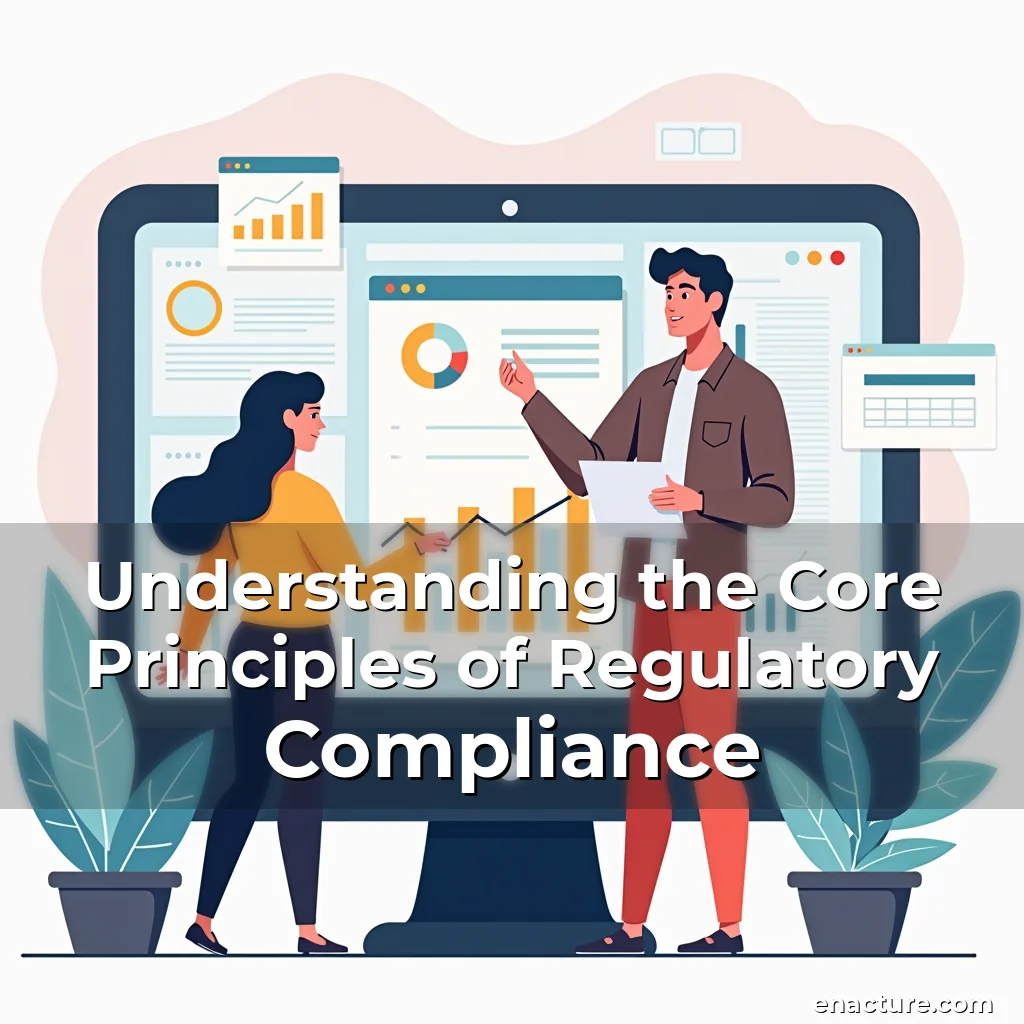
Understanding the Core Principles of Regulatory Compliance
At its essence, regulatory compliance refers to adherence to laws, guidelines, and standards established by governing bodies. These rules govern everything from data privacy protocols to workplace safety mandates, shaping how businesses operate domestically and internationally.
A robust compliance strategy begins with identifying which regulations apply to an organization’s activities. This includes local statutes, federal mandates, sector-specific directives, and international treaties that may impact daily operations.
Three foundational pillars support effective compliance management: legality, transparency, and accountability. Legality ensures alignment with current laws; transparency fosters trust among stakeholders; and accountability establishes clear lines of responsibility when issues arise.
- Data Protection Laws: Mandate secure handling of personal information, requiring encryption protocols and access controls to prevent breaches.
- Labor Standards: Define minimum wage thresholds, working hour limits, and occupational health requirements that employers must uphold.
- Environmental Regulations: Set emission caps, waste disposal procedures, and sustainability benchmarks for industrial processes.
- Fiscal Reporting Guidelines: Specify accurate accounting methods, tax filings, and disclosure requirements for publicly traded companies.
The Evolving Landscape of Regulatory Compliance
Modern compliance challenges stem from rapid technological advances and growing concerns about corporate ethics. Artificial intelligence systems, blockchain applications, and IoT devices introduce new dimensions to traditional compliance paradigms.
Cybersecurity regulations have grown increasingly stringent in response to rising data breach incidents. Frameworks like ISO/IEC 27001 and NIST Cybersecurity Framework provide standardized approaches to protecting sensitive organizational assets.
Emerging Trends Shaping Compliance Strategies
Recent studies show that 68% of enterprises report significant changes in regulatory environments within the last three years alone. ESG (Environmental, Social, Governance) factors now play pivotal roles in investment decisions and executive compensation structures.
The shift toward remote work models has prompted revisions to labor laws regarding overtime pay calculations and worker classification criteria. Employers must stay vigilant about jurisdictional differences affecting cross-border employees.
Consequences of Non-Compliance
Failure to meet regulatory obligations carries severe repercussions beyond mere financial losses. Legal infractions often trigger investigations, lawsuits, and criminal charges against responsible parties.
Penal consequences vary widely depending on violation severity. Minor infractions might result in warning letters or small fines, while repeated offenses or intentional fraud can lead to substantial monetary penalties and operational shutdowns.
Reputational damage poses equally serious threats. Publicized violations erode consumer confidence, alienate investors, and hinder future partnerships. In extreme cases, brands may suffer permanent harm despite corrective actions taken later.
- Financial Penalties: Fines imposed by regulatory agencies can reach millions annually for major corporations violating antitrust laws or securities regulations.
- Operational Disruptions: Investigations often require halting core business functions while authorities examine records and conduct interviews.
- Criminal Liability: Executives found deliberately disregarding known regulations may face imprisonment alongside corporate sanctions.
- Mergers & Acquisitions Impact: Potential buyers scrutinize target company histories for compliance deficiencies during due diligence phases.
Building a Proactive Compliance Culture
Educating staff about compliance expectations forms the bedrock of successful implementation. Regular training sessions help employees recognize red flags and understand their responsibilities within existing frameworks.
Leadership commitment plays a vital role in embedding compliance values throughout organizational cultures. When executives demonstrate prioritization of ethical conduct, frontline workers tend to internalize those priorities naturally.
Dedicated compliance departments serve as central hubs for monitoring ongoing adherence to regulations. These units coordinate audits, track updates in legislation, and implement corrective measures promptly when discrepancies emerge.
- Whistleblower Protections: Encourage reporting of unethical behavior without fear of retaliation, promoting self-regulation from within.
- Risk Assessment Tools: Utilize predictive analytics software to identify emerging threats before they escalate into full-blown crises.
- Cross-functional Collaboration: Involve legal counsel, IT specialists, HR professionals, and senior managers in developing holistic compliance strategies.
- Continuous Improvement Cycles: Implement feedback loops that allow periodic review and refinement of compliance protocols based on real-world experiences.
Industry-Specific Compliance Requirements
Varying sectors encounter unique compliance challenges shaped by specialized regulations targeting their particular operations. Financial institutions, pharmaceutical manufacturers, and energy producers all deal with highly regulated environments.
Banks and insurers must comply with capital adequacy ratios, anti-money laundering provisions, and know-your-customer verification processes mandated by central banks globally.
Healthcare Industry Priorities
Hospitals and clinics face strict requirements surrounding patient record confidentiality under HIPAA regulations in the United States. Similar protections exist elsewhere, such as the Personal Data Protection Act (PDPA) in Singapore.
Pharmaceutical firms undergo rigorous FDA approvals before marketing drugs commercially. Clinical trial data must meet exacting standards regarding participant safety and statistical validity assessments.
Technological Innovations Enhancing Compliance Efforts
Advances in artificial intelligence offer powerful tools for streamlining compliance management tasks previously handled manually. Machine learning algorithms can detect anomalies in transaction patterns indicative of fraudulent activity.
Blockchain technology provides immutable audit trails useful for verifying supply chain integrity and tracking product provenance across distribution networks. Smart contracts automatically enforce agreed terms reducing human error possibilities.
Cloud-based compliance management systems enable real-time monitoring of policy adherence across geographically dispersed operations. Centralized dashboards give executives instant visibility into compliance status metrics.
- Automated Document Review: Natural language processing capabilities scan thousands of documents quickly identifying relevant clauses needing attention.
- Real-Time Alerts Systems: Notify compliance officers instantly upon detecting deviations from established parameters or upcoming deadlines.
- Virtual Training Platforms: Interactive modules simulate realistic scenarios helping employees grasp complicated compliance concepts through experiential learning.
- Data Analytics Integration: Correlates disparate datasets to uncover hidden connections potentially signaling compliance risks or opportunities for improvement.
Global Considerations in Compliance Strategy Development
As businesses expand internationally, navigating diverse regulatory landscapes becomes essential. Differences in legal interpretations pose significant hurdles for multinational corporations seeking uniformity in operations.
Taxation regimes differ drastically between countries impacting transfer pricing methodologies and profit allocation strategies. Understanding base erosion and profit shifting (BEPS) initiatives helps minimize unintended exposure.
Cultural Dimensions Influencing Compliance Approaches
Societal norms affect perceptions of acceptable business practices influencing how regulations get implemented locally. What constitutes corruption in one region may appear routine elsewhere.
Language barriers complicate interpretation of foreign regulations leading to unintentional missteps even by well-intentioned organizations trying to conform appropriately.
Future Outlook for Regulatory Compliance
Ongoing developments suggest continued evolution rather than stabilization in compliance domains. Emerging technologies will likely bring new regulatory considerations as lawmakers attempt to balance innovation encouragement with risk mitigation.
Climate change legislation appears poised for expansion following recent climate accords emphasizing carbon neutrality goals. Companies must prepare for stricter emissions reduction targets coming soon.
Artificial intelligence governance frameworks are being drafted addressing algorithmic bias, transparency requirements, and liability allocations for autonomous decision-making systems.
- Increased Scrutiny Over Digital Assets: Cryptocurrency transactions and NFT marketplaces face mounting pressure for enhanced KYC checks and transaction traceability features.
- Enhanced Privacy Expectations: Consumers demand greater control over personal data usage prompting calls for stronger opt-in consent mechanisms and granular permission settings.
- Supply Chain Accountability Measures: Pressure mounts for full visibility into supplier networks ensuring ethical sourcing practices from raw material procurement through final delivery stages.
- Workplace Flexibility Regulations: Remote work arrangements necessitate re-evaluation of employment contracts, benefits packages, and performance evaluation criteria traditionally tied to physical presence requirements.
Conclusion
Effective regulatory compliance requires vigilance, adaptability, and strategic foresight. By integrating modern technologies, cultivating a compliance-driven culture, and anticipating future regulatory shifts, organizations can turn compliance from a burden into a competitive advantage.
Business leaders must remain actively engaged in compliance matters recognizing that sound compliance practices ultimately contribute to long-term success. Those who embrace compliance proactively position themselves favorably amidst ever-changing regulatory landscapes while safeguarding their organizations’ futures.
“`