The Power of Your Location Data: Why You Need to Know About Location Tracking Tools
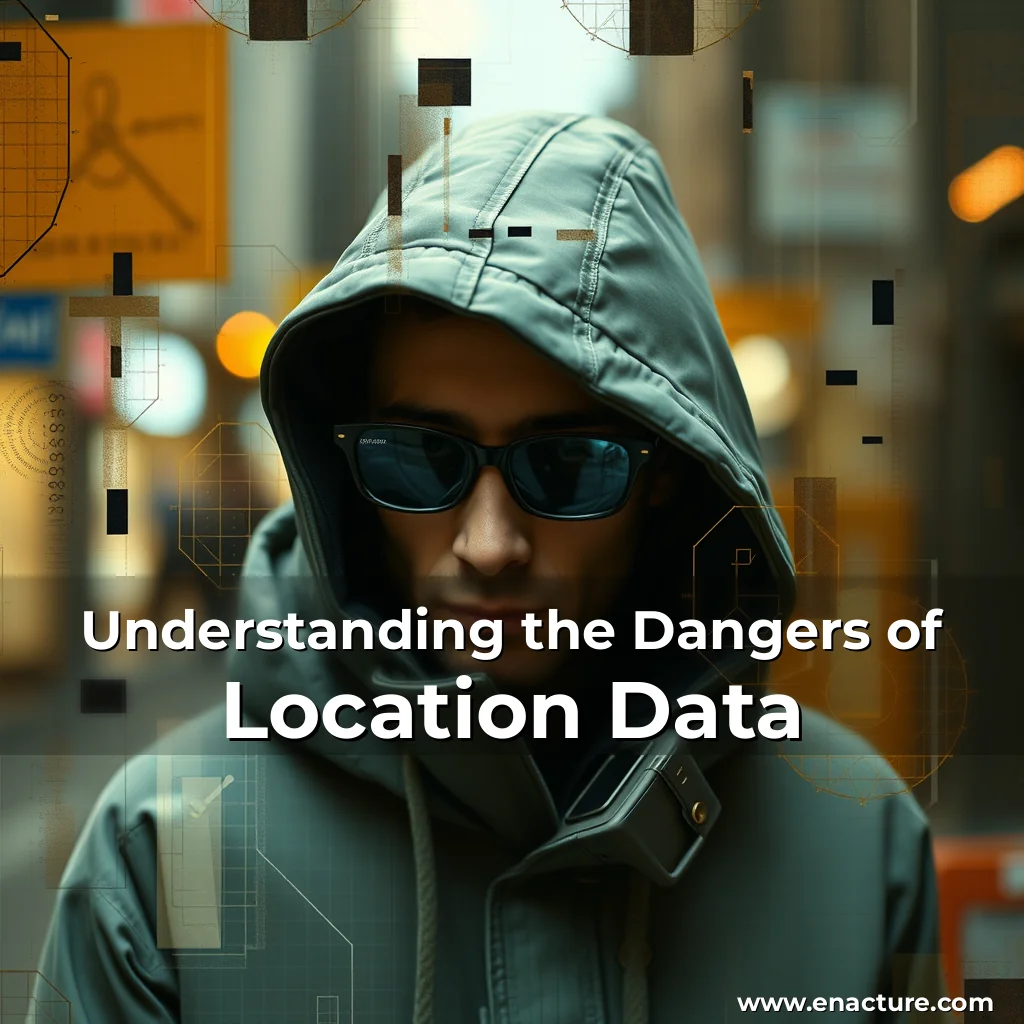
Location data has become a valuable resource, not just for mapping and navigation, but also for various purposes that raise concerns about privacy and security. In today’s digital age, location tracking tools are increasingly being used to target and criminalize individuals seeking essential reproductive healthcare, immigrants, and members of the LGBTQ+ community.
The Dangers of Location Data
Location tracking tools, such as those used by law enforcement and anti-abortion groups, can expose sensitive information about an individual’s location, including:
• Information about their daily routine, habits, and activities
• Location data from sensitive sites, such as reproductive health clinics
• Personal identifiable information, such as phone numbers, email addresses, and social media profiles
• Information about their financial transactions and purchasing habits
This sensitive information can be used to:
• Track individuals’ movements and activities
• Target and harass individuals
• Discriminate against individuals based on their location and identity
• Enforce abortion restrictions and other laws that restrict access to essential services
The Importance of Location Data Privacy Laws
Location data privacy laws are essential to protect individuals’ sensitive information and ensure that location tracking tools are used responsibly. These laws should:
• Prohibit the collection and use of location data for non-essential purposes
• Require opt-in consent from individuals before collecting and using their location data
• Establish clear rules and regulations for the use and sharing of location data
• Provide strong penalties for violations of these laws
State-Level Regulations
Some states, such as California, Massachusetts, and Illinois, are taking steps to regulate the collection and use of location data. These regulations include:
• Requiring companies to obtain opt-in consent from individuals before collecting and using their location data
• Establishing clear rules and regulations for the use and sharing of location data
• Providing strong penalties for violations of these laws
Empowering Consumers
Location data privacy laws should empower consumers to make informed decisions about their personal data. This can be achieved by:
• Providing clear and transparent information about the use and sharing of location data
• Allowing individuals to opt-out of location tracking
• Providing strong penalties for violations of these laws
No Pay-for-Privacy Schemes
Location data privacy laws should not allow for “pay-for-privacy” schemes that charge individuals for basic privacy protections. This can create a two-tiered system where low-income individuals are forced to trade away their sensitive location data in exchange for access to essential services.
Transparency Through Clear Privacy Policies
Location data privacy laws should require companies to be transparent about their data practices. This can be achieved by:
• Requiring companies to make available a privacy policy to the data subject
• Requiring companies to prominently publish their privacy policies on their websites
Next Steps
The bottom line is clear: location data is highly sensitive, and without proper protections, it can be used to harm those who are already vulnerable. To protect your digital privacy, it is essential to:
• Be aware of the location tracking tools used by companies
• Use privacy-enhancing technologies, such as VPNs and encryption
• Make informed decisions about your personal data
• Support legislation that protects location data privacy
Conclusion
Location data has become a valuable resource, but it is also a sensitive and potentially vulnerable piece of information. Location tracking tools can be used to target and criminalize individuals seeking essential reproductive healthcare, immigrants, and members of the LGBTQ+ community. To protect your digital privacy, it is essential to understand the dangers of location data and to support legislation that protects location data privacy.