Legislative Process: Essential Tools and Resources
The legislative process is the backbone of democratic governance, shaping laws that define societies, protect rights, and drive national progress. Understanding how legislation moves from conception to enactment empowers citizens, advocates, and policymakers alike to engage effectively with their governments.
This guide explores the intricate journey of proposed laws through various stages, highlighting key players, procedural nuances, and practical tools available to those interested in influencing policy outcomes. Whether you’re an academic, activist, or simply curious about your political system, this resource offers actionable insights into the world of lawmaking.
The Origins of Legislation
Every piece of legislation begins as an idea, often sparked by public concern, expert analysis, or shifts in societal values. These initial thoughts are typically formalized into bills through a drafting process led by legal experts within government agencies or private firms specializing in legislative work.
The first step involves identifying gaps in current law or areas needing reform. This might stem from reports by regulatory bodies, feedback from constituents, or strategic initiatives aimed at addressing pressing issues such as climate change, healthcare access, or economic inequality.
- Ideation: Concepts emerge from diverse sources including grassroots movements, think tanks, and academic research
- Drafting: Legal professionals translate ideas into precise language that meets constitutional standards and statutory requirements
- Preparation: Bills undergo technical reviews for consistency with existing statutes before being introduced formally
Critically, the origin phase sets the foundation for all subsequent steps, making clear articulation of objectives essential to avoid misinterpretations later in the legislative cycle.
Transparency during this stage ensures accountability, allowing stakeholders to provide input early and shape proposals meaningfully before they enter official proceedings.
The Legislative Journey Begins: Introduction and Referral
A bill becomes officially part of the legislative agenda once introduced in either house of Congress (or equivalent body). In the United States House of Representatives, members submit proposals through the Clerk’s Office, while Senators present them personally in the Senate chamber.
Following introduction, each bill receives a unique number and is referred to relevant committees based on its subject matter. For example, tax-related bills go to Ways and Means Committee in the House or Finance Committee in the Senate.
Committee referral determines which specialized panels will scrutinize the proposal next. This assignment is crucial because committee expertise significantly influences whether a bill progresses further.
Some legislatures have bicameral systems where both chambers independently handle legislation, requiring coordination between different branches of government when dealing with complex issues spanning multiple jurisdictions.
Committee Review and Markup Sessions
Once assigned to a committee, bills undergo rigorous examination involving hearings, markups, and potential amendments. During these sessions, lawmakers analyze implications across various sectors impacted by the proposed changes.
Hearings allow experts, interest groups, and affected individuals to testify before legislators considering the bill. These testimonies help inform decisions regarding feasibility, cost-effectiveness, and alignment with broader governmental goals.
Markup sessions involve actual editing of bill texts, incorporating suggestions made during discussions. This collaborative approach fosters refinement but also introduces opportunities for partisan influence depending on committee dynamics.
Notably, some committees may choose not to advance certain proposals due to lack of consensus or perceived impracticality, marking an informal yet impactful checkpoint along the legislative path.
Voting and Floor Debate
If approved by committee, a bill proceeds to floor debate where full legislative bodies consider its merits publicly. This phase allows for wide-ranging discourse among elected representatives who weigh arguments presented during earlier stages against new information or changing priorities.
Floor debates can be intense affairs characterized by passionate exchanges over policy details, ethical considerations, and long-term consequences associated with enacted measures.
Debates serve dual purposes: informing constituents about emerging policies and enabling final revisions prior to voting. They reflect the dynamic nature of representative democracy wherein voices from varied backgrounds contribute to decision-making processes.
Sometimes amendments arise spontaneously during floor sessions, reflecting real-time responses to evolving circumstances or compelling advocacy efforts directed towards specific clauses within draft legislation.
Passage Through Both Houses
In bicameral systems like the U.S. Congress, passage requires approval from both houses individually. Even identical versions must still navigate separate procedures since each chamber maintains autonomy over its internal operations.
When differences exist between versions passed by each house, conference committees convene to reconcile discrepancies. These temporary entities consist of members selected from both chambers tasked specifically with producing unified text acceptable to all parties involved.
Successful negotiation results in a compromise version known as a ‘conference report,’ which then returns to respective houses for final ratification. Failure here could mean rejection of entire legislative packages unless alternative resolutions prove viable.
Such interhouse negotiations underscore the complexity inherent in multi-chambered legislative frameworks designed to ensure broad agreement before implementing any significant legal change.
Presidential Action and Final Enactment
After passing both legislative chambers, a bill reaches executive branch consideration under presidential authority. The President has three primary options: sign the measure into law, veto it outright, or take no action within specified time frames set by constitutional provisions.
Veto power serves as critical check preventing hasty or controversial legislation without sufficient vetting; however, overrides remain possible via supermajorities established by constitutional design.
No-action scenarios create uncertainty about future status until expiration dates arrive, sometimes prompting urgent lobbying campaigns seeking last-minute approvals from senior officials.
Regardless of outcome, this terminal phase highlights intersection points between judicial oversight mechanisms and administrative implementation strategies integral to effective policymaking cycles.
Mechanisms for Public Engagement
Citizens play vital roles throughout every stage of the legislative lifecycle through participation avenues ranging from direct contact with legislators to leveraging digital platforms facilitating mass communication efforts.
Public comment periods embedded within hearing schedules offer structured ways for ordinary people to express opinions formally recognized by governing institutions. Such channels promote inclusivity while maintaining procedural integrity required for orderly deliberations.
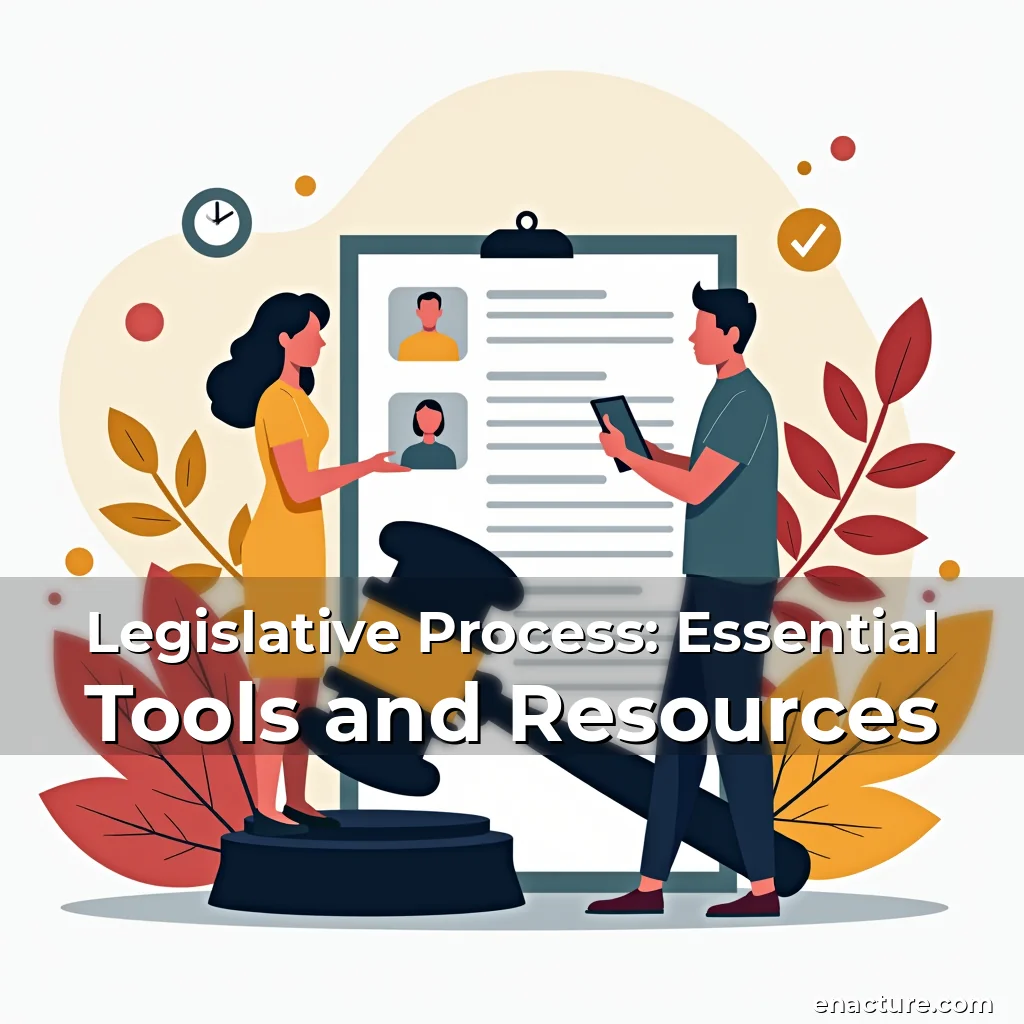
Digital engagement tools now enable real-time tracking of bill statuses alongside customizable alerts notifying subscribers whenever developments occur related to matters they care most about.
These innovations democratize access previously restricted mainly to professional lobbyists ensuring wider representation among affected communities regardless of socioeconomic background.
Challenges Facing Modern Legislators
Rapid technological advancements introduce unprecedented complexities requiring continuous adaptation by lawmakers accustomed primarily to traditional modes of operation.
Emerging fields like artificial intelligence demand nuanced understanding beyond conventional legal training necessitating ongoing education programs tailored explicitly toward contemporary challenges facing modern democracies.
Partisan polarization exacerbates difficulties achieving consensus especially amidst heightened ideological divides threatening stability across many nations experiencing political fragmentation today.
Moreover, global interconnectedness demands coordinated approaches addressing transnational threats such as cyber warfare, pandemics, or environmental degradation demanding synchronized international cooperation seldom achieved easily given domestic constraints.
Educational Resources and Advocacy Opportunities
For those wishing to deepen knowledge about legislative processes, numerous educational resources provide structured learning pathways covering foundational principles up through advanced analytical techniques used by seasoned practitioners worldwide.
Academic courses offered by universities frequently include modules dedicated entirely to comparative studies analyzing how differing countries structure their own distinctive forms of governance tailored uniquely according to historical contexts shaping regional identities globally.
Nonprofit organizations devoted exclusively to civic education regularly publish guides explaining intricacies behind bureaucratic functions supporting daily functioning of nation-states operating under rule-of-law paradigms upheld consistently across jurisdictions respecting fundamental human rights protections universally acknowledged today.
Additionally, internships with governmental offices expose aspiring professionals firsthand experiences navigating inner workings of political machinery offering invaluable networking prospects enhancing career trajectories aligned closely with public service aspirations pursued diligently by motivated candidates entering competitive job markets annually filled with talented graduates eager demonstrate commitment toward social justice causes championed passionately throughout history.
Conclusion
Understanding the legislative process equips individuals with powerful tools necessary to participate actively in shaping policies affecting everyday lives. From initiation through final enactment, each phase presents opportunities for meaningful involvement driven by informed citizenry engaged constructively rather than reactively responding solely to external pressures imposed upon them passively.
To stay informed and make impact, leverage available resources—attend town halls, join advocacy networks, utilize online trackers—and become an active participant in the democratic process that defines our shared futures together.

news is a contributor at Enacture.com. We are committed to providing well-researched, accurate, and valuable content to our readers.